Gosaikunda Lake Trek
Overview
If you’re looking for a short Himalayan trek that mixes mountains, forests, culture, and sacred lakes, the Gosaikunda Trek is one of the best options in Nepal. In just a few days, you go from city life in Kathmandu to peaceful alpine lakes sitting high in the mountains.
The journey begins with a scenic drive to Dhunche, the gateway to the Langtang region. From here, the trail climbs steadily through dense forests filled with oak, pine, and rhododendron. Along the way, you pass small settlements like Chandanbari (Sing Gompa), known for its yak cheese and quiet monastery life.
As you gain altitude, the landscape starts to open up. Forests slowly disappear, and wide mountain views take over. You’ll see impressive peaks like Langtang Lirung, Ganesh Himal, and even distant views of Manaslu on clear days. The real highlight comes when you reach Gosaikunda—a stunning high-altitude lake that holds deep religious significance for both Hindus and Buddhists.
Surrounded by multiple smaller lakes like Saraswati Kunda and Bhairav Kunda, this area feels peaceful, raw, and almost unreal. Whether you come for spiritual reasons or just for the views, this place leaves a strong impression.
The trek is relatively short but still rewarding, making it perfect for trekkers who want a real Himalayan experience without committing to a long expedition. With a mix of natural beauty, cultural encounters, and manageable trekking days, this trip is ideal for both beginners and experienced hikers.
In simple terms: fewer days, less crowd, but still a big adventure.
Itinerary
Your journey begins early in the morning after breakfast as you leave Kathmandu and head toward Dhunche, the gateway to the Langtang region. The drive takes around 5–6 hours, but it’s far from boring.
As you wind your way out of the city, the scenery quickly changes. You’ll pass terraced farms, traditional villages, and rivers flowing alongside the road—especially the Trishuli River, which keeps you company for a good part of the drive. The road gets a bit bumpy in sections, but the views make up for it.
By the time you reach Dhunche, you’ll notice the air feels fresher and cooler. It’s a small mountain town with simple lodges and friendly locals. After checking in, you can take a short walk around the village, interact with locals, and enjoy a warm meal before resting for the night.
Overnight: Lodge in Dhunche
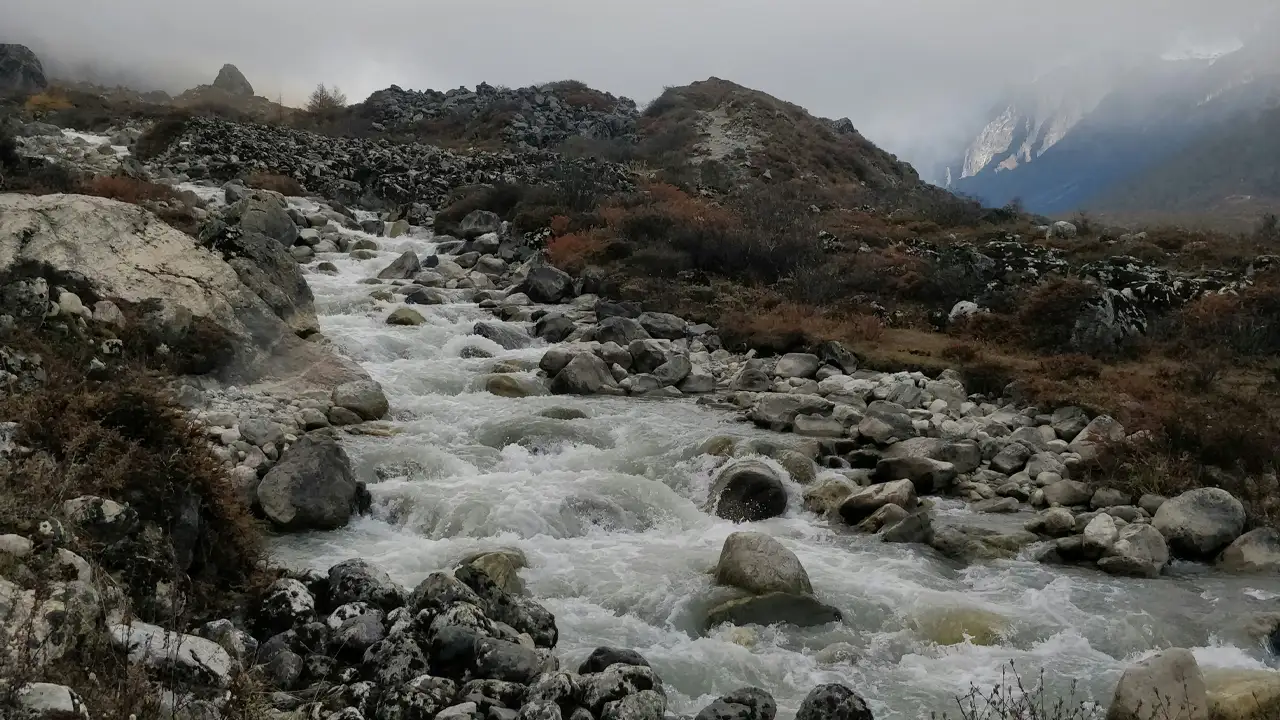
After breakfast, your trek officially begins. The trail starts with a steady uphill climb through dense forests filled with oak, pine, and fir trees. It’s a peaceful walk, with the sounds of birds and small streams accompanying you along the way.
You’ll pass through places like Deurali and Dhimsa, where you can take short breaks and catch your breath. The trail can get a bit steep at times, so take it slow and steady—no need to rush.
As you continue climbing, you’ll reach Chandanbari, also known as Sing Gompa. This small settlement sits right in the middle of a pine forest and has a calm, quiet vibe. It’s famous for its yak cheese factory, so yes—you should definitely try it.
You can also visit the local monastery, explore the area, and enjoy a peaceful evening surrounded by nature.
Overnight: Lodge in Chandanbari
Today is the most rewarding (and slightly challenging) day of the trek. After breakfast, you continue your ascent toward Gosaikunda.
The trail gradually becomes more rugged and open as you leave the dense forest behind. You’ll pass through Cholangpati and Lauribinayak, where the views start to open up dramatically. On clear days, you’ll see stunning Himalayan peaks like Langtang Lirung, Ganesh Himal, and even Manaslu in the distance.
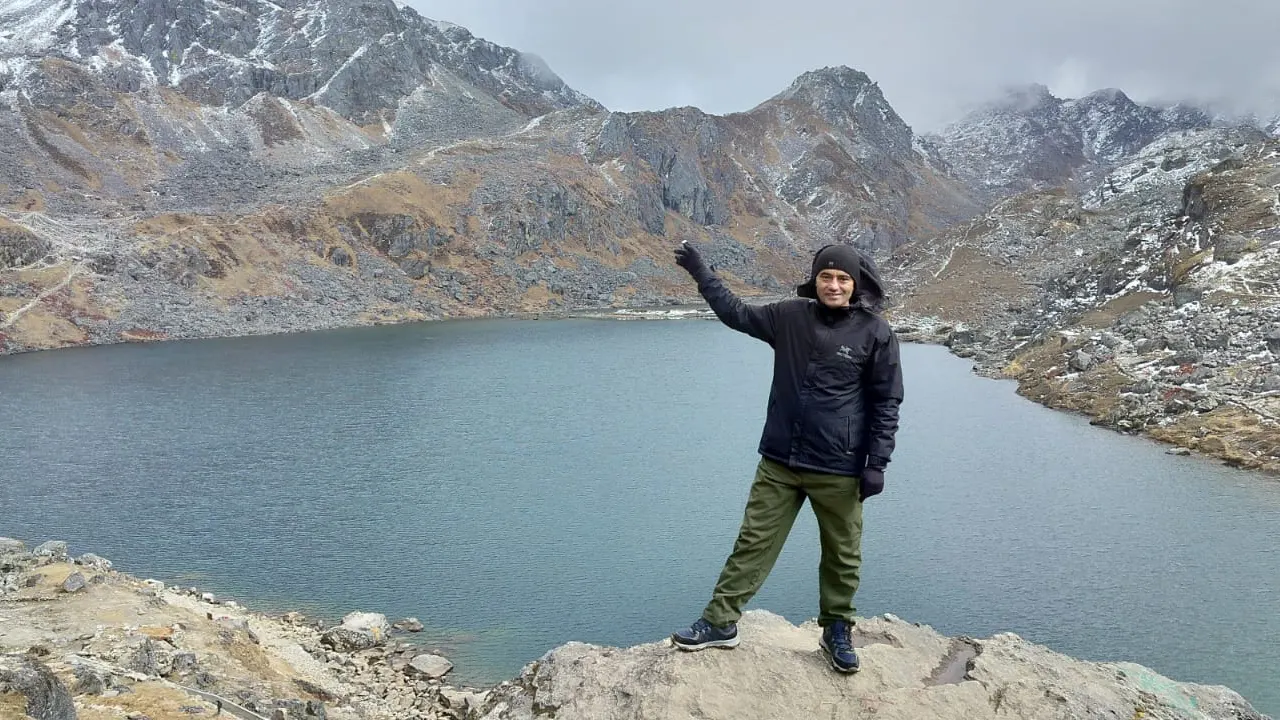
The higher you go, the more raw and untouched the landscape feels. Eventually, you’ll reach the sacred lakes area. First, you’ll see smaller lakes like Saraswati Kunda and Bhairav Kunda, and then finally, the main highlight—Gosaikunda Lake.
This high-altitude lake is not just beautiful but also deeply spiritual. Pilgrims visit here during festivals, but even outside those times, the place feels calm and powerful.
Spend your evening exploring the lakes and soaking in the peaceful surroundings.
Overnight: Tea house near Gosaikunda
Trek from Gosaikunda to Chandabari
After enjoying the high-altitude beauty, it’s time to head back down. Today’s trek is mostly downhill, which is easier on your lungs—but still requires careful walking on your knees.
You’ll retrace your steps through Lauribinayak and Sing Gompa, enjoying the same trail from a different perspective. The mountain views slowly fade as you re-enter the forest zone, but the greenery and fresh air make the descent enjoyable.
Keep an eye out—you might spot some wildlife or birds along the way, including species like Himalayan pheasants or snow birds.
By the time you reach Dhunche, you’ll feel a mix of relief and accomplishment. A hot meal and a comfortable bed will feel extra rewarding tonight.
Overnight: Lodge in Dhunche
After breakfast, you’ll begin your drive back to Kathmandu. It’s the same route, but somehow it feels different—you’re more relaxed, and you’ve got stories to think about.
Enjoy the views of rivers, hills, and villages one last time as you return to the city. Once you arrive in Kathmandu, your trek officially comes to an end—but the memories will stick with you for a long time.
Our Cost's
Cost Includes
- Transportation from Kathmandu to Dhunche and return by local/shared vehicle
- Accommodation in tea houses/lodges during the trek
- All meals during the trek (Breakfast, Lunch, Dinner)
- Experienced, licensed English-speaking trekking guide
- Porter service (1 porter for 2 trekkers)
- Langtang National Park entry permit
- TIMS (Trekkers’ Information Management System) card
- Basic first aid kit carried by the guide
- All government taxes and service charges
Cost Excludes
- Nepal entry visa fees
- Travel insurance (highly recommended)
- Meals in Kathmandu
- Personal expenses (WiFi, hot shower, battery charging, snacks, drinks)
- Alcoholic and non-alcoholic beverages during the trek
- Personal trekking gear and equipment
- Tips for guide and porter (expected but not mandatory)
- Extra costs due to delays, weather, or unforeseen situations
- Emergency rescue and evacuation costs